Featured

Understanding Housing Counseling to Ensure Home Stability
Table of Contents
MLADENBALINOVAC/GETTY IMAGESBilt Benefits isn't alone in capping bonus profits. Starting in 2025, the's 4 points per dollar invested at dining establishments worldwide will be.Unfortunately, we anticipate companies to implement more caps on reward profits in 2025. Providers want their perk categories to incentivize cardholders to sign up for cards and use them for purchases, they likewise desire to take full advantage of the value they get from supplying these benefits.
Over the last few years, hotel and airline company loyalty programs have begun using unique experiences that can only be reserved with points or miles. For example, Option Privileges uses a variety of and. On the airline company side, United MileagePlus Exclusives provides members the chance to redeem miles for VIP seats at sporting events and even a tour of United's pilot training center.
Bilt Rewards is the only program so far to let members redeem benefits for experiences. Particularly, Bilt Rewards started letting members redeem points for select experiences in 2023, while uses some redemptions for sports and other live occasions. As such, Katie anticipates to see major programs like and add experiences you can redeem for in 2025.
Rather of providing away these experiences, such as we've seen for an and the, the programs could let members bid points or miles for the experiences. We began 2024 with high hopes of lower rate of interest by the end of the year and only part of our dream came to life.
So, what remains in store for the real estate market and broader economy in 2025? With considerable unpredictability around inflation, economic growth and tariffs, it remains to be seen. Fannie Mae and are both expecting through the end of next year, and the Federal Reserve has actually anticipated only two cuts in 2025.
Practical Methods to Saving Money in 2026
This could include potentially restricting the powers of the Consumer Financial Defense Bureau, developed in 2011 in the aftermath of the global monetary crisis. This might result in less securities and disclosures used by banks, consisting of greater interest rate and penalty fees. TASOS KATOPODIS/GETTY IMAGESHowever, this likewise puts the Charge card Competition Act upon shakier ground.
How to Area Fraudulent Line Items on Your ReportThis rather populist piece of legislation might get a revival in the lead-up to the 2026 midterm elections. Lastly, we might see the approval of the, which was revealed in February. A larger Discover card processing network would likely increase competition for Visa and Mastercard, potentially moving attention far from a heavy-handed method like the CCCA.
Therefore, regardless of what 2025 has in shop, our suggestions remains the exact same: At the end of 2025, we'll examine our credit card forecasts to see which ones we got wrong and ideal. This year,. Only time will inform if this track record of success will continue in the new year.
Credit Cards By WalletGrower Group Updated March 22, 2026 Over the previous 4 years, I've tested more than 15 various cashback charge card across various costs patternsfrom everyday groceries and gas to take a trip and online shopping. I have actually tracked the real cashback made, compared sign-up perks, and examined the real-world effect of rotating classifications and flat-rate benefits.
Navigating Debt Services to Ensure Financial Stability
Wells Fargo Active Money 2% cashback on whatever, $0 annual cost Chase Liberty Flex up to 5% back on rotating categories plus 1.5% on everything else Blue Money Preferred (Amex) approximately 6% back on groceries for first $6,500/ year Citi Double Cash 2% back (1% when you buy, 1% when you pay) Chase Flexibility Unlimited 3% cash back on the first $20,000 spent every year Cashback charge card reward you with a portion of every dollar you spend.
When you utilize a cashback card to make a purchase, the card issuer (Wells Fargo, Chase, American Express, and so on) makes an interchange charge from the merchant. The rates differ by card and costs classification.
Others utilize turning classifications that alter quarterly, providing 5% back on groceries one quarter and gas the next, with a base 1% on other purchases. The cashback collects in your account and can generally be redeemed as a declaration credit, direct deposit to a checking account, or often as a check.
Some cards cap just how much you can make per year (like the 3% card from Chase that stops making at $20,000 in yearly spending), so comprehending the terms is important before selecting a card. The crucial advantage over benefits points: there's no mystery about worth. When you make 2% cashback, you know precisely what that's worth2 cents per dollar.

Essential Steps for Mastering 2026 Wealth
For people who just desire simpleness and direct value, cashback cards are the apparent winner. Even after paying you 16% back, they still earnings from the interchange fee and interest if you carry a balance (which you should not).
Wells Fargo and Chase are locked in a continuous battle for cashback supremacy, which is why you see their deals sneaking up year after year. If you want simpleness without tracking rotating classifications, flat-rate cards are your best pal.
Here's why: 2% cashback on all purchases, no annual cost, and a straightforward $200 sign-up perk (limitless categories). When I changed from the older Wells Fargo Propel World card (which had a $95 yearly charge), I instantly saved money and got the very same earning rate back. The mathematics is easy: on $10,000 yearly costs, you earn $200 in cashback.
How to Design Your Solid Financial Roadmap
The redemption is hassle-freestatement credits hit your account quickly, typically within a few days of requesting them. I have actually seen good friends get turned down in spite of having 750+ credit scores.
2% cashback on all purchasesno classification rotation No annual fee $200 sign-up bonus offer (50,000 benefit points) Cashback redeemable at any point (no minimum) Straightforward terms, no revenues cap Strict underwriting (Wells Fargo might deny based on recent inquiries) Lower credit limits than some competitors No bonus offer categoriesyou're locked into 2% No foreign deal fee waiver (2.8% for worldwide) I use the Wells Fargo Active Cash as my primary card for everyday spendinggroceries, gas, dining, whatever.
Over 3 years, this card alone has actually paid for two dining establishment dinners just from the rewards. The Citi Double Cash is special since it earns cashback on both the purchase AND the payment. You get 1% cashback when you spend, then another 1% when you foot the bill, amounting to 2% back.
Citi's card has no yearly cost and no sign-up reward, making it a pure value play. The double cashback is intriguing from a monetary standpointit incentivizes settling your balance rapidly to earn the full 2%. If you carry a balance, you lose the payment cashback because you're paying interest, which beats the function.

Latest Posts
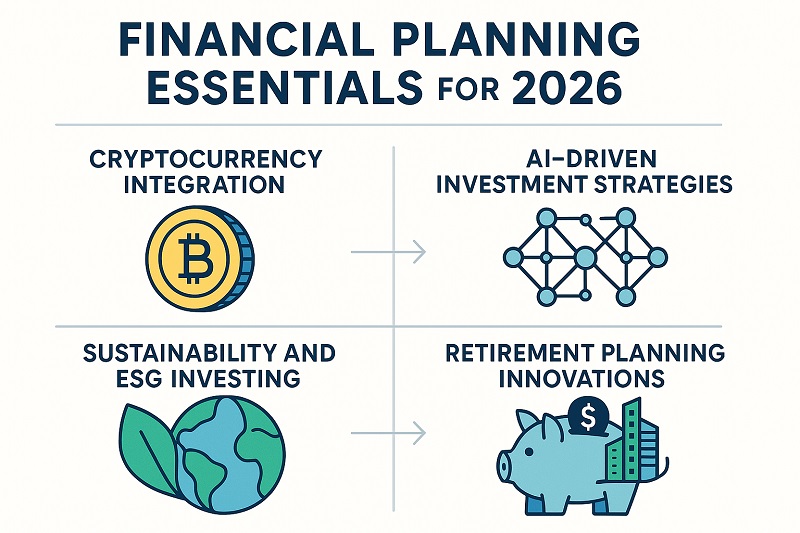
How to Best Design Your Solid Financial Roadmap

Using Digital Banking Apps for 2026 Success
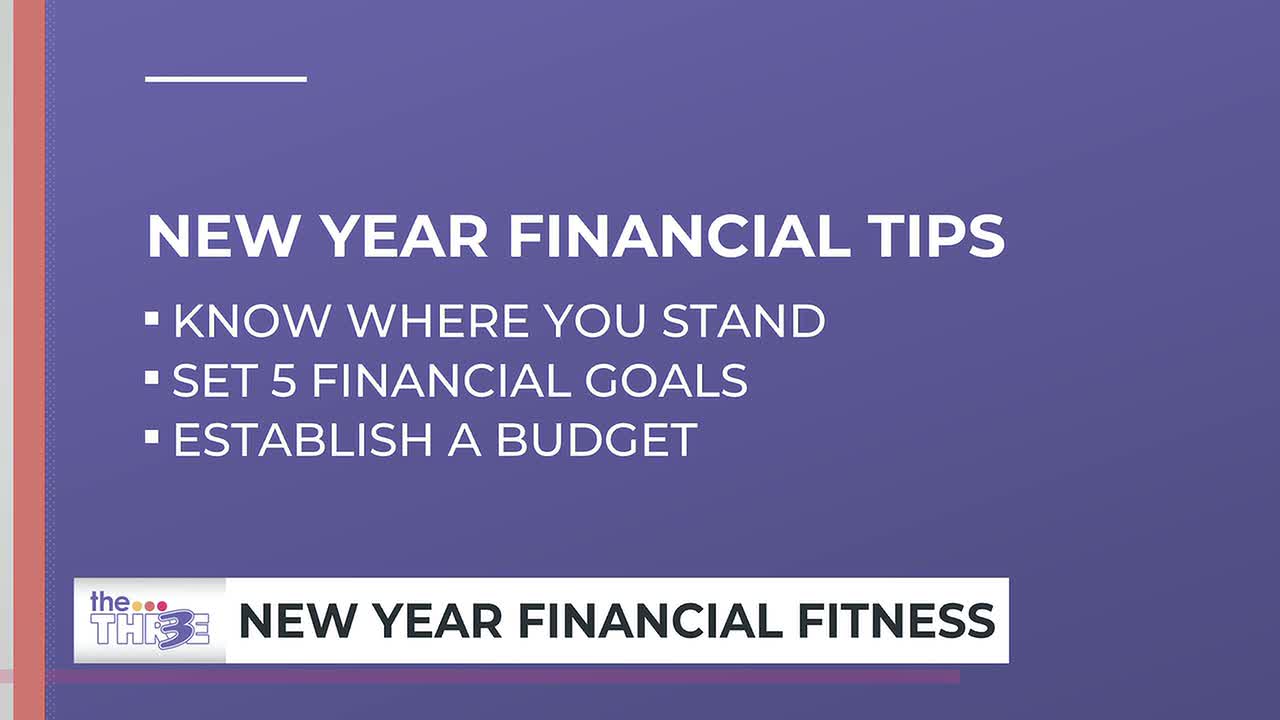
Strategies to Reduce Living Costs Next Year